Economic uncertainty is an inevitable part of the business landscape. Rising inflation, fluctuating consumer demand, supply chain disruptions, and changing market conditions can create significant challenges for organizations of all sizes. While these pressures may increase the risk of financial distress, businesses that adopt proactive financial strategies are often better equipped to remain stable and avoid insolvency.
Understanding how to prepare for uncertain economic conditions can help business owners protect their operations, preserve cash flow, and maintain long-term growth.
Understanding the Risk of Insolvency
Insolvency occurs when a company is unable to meet its financial obligations as they become due. It can develop gradually over time or emerge suddenly following an unexpected financial setback.
During periods of economic uncertainty, businesses may experience:
Reduced customer spending
Rising operating costs
Delayed payments from clients
Increased borrowing expenses
Lower profit margins
These factors can place considerable pressure on cash flow and financial stability.
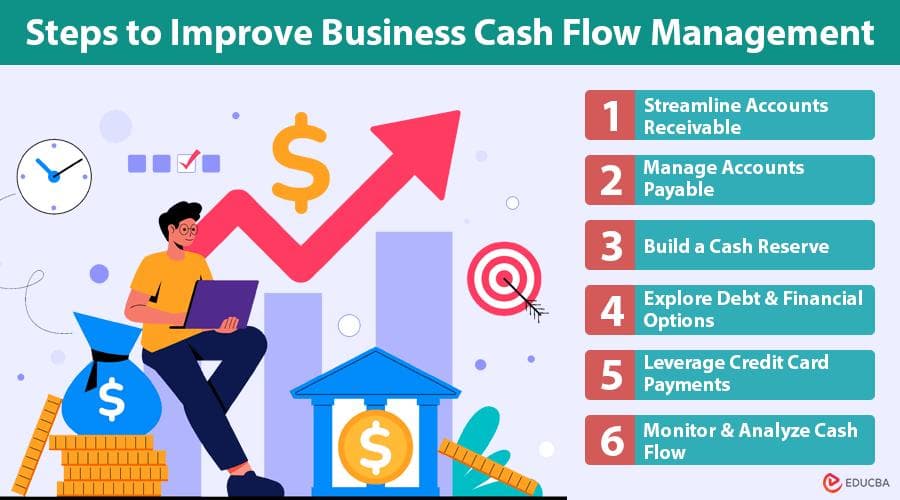
Prioritize Cash Flow Management
Cash flow remains one of the most important indicators of business health.
Companies should regularly monitor:
Incoming revenue
Outstanding invoices
Operating expenses
Debt obligations
Emergency cash reserves
Accurate cash flow forecasting enables business leaders to identify potential shortages before they become critical.
Businesses that actively manage cash flow are often better positioned to navigate economic challenges.
Build Financial Reserves
Maintaining a financial safety net can provide valuable protection during periods of uncertainty.
Emergency reserves can help businesses:
Cover temporary revenue declines
Manage unexpected expenses
Maintain payroll obligations
Avoid excessive borrowing
Financial experts often recommend setting aside several months of operating expenses whenever possible.
Diversify Revenue Sources
Businesses that rely heavily on a single customer, product, or market segment may face greater risks during economic downturns.
Diversification strategies may include:
Expanding into new markets
Introducing additional products or services
Developing recurring revenue models
Exploring digital sales channels
Building strategic partnerships
Multiple revenue streams can improve resilience and reduce dependence on any single source of income.
Control Operating Costs
Cost management becomes particularly important during uncertain economic conditions.
Business leaders should regularly review:
Vendor contracts
Subscription services
Administrative expenses
Marketing expenditures
Operational processes
Reducing unnecessary spending can preserve cash without compromising essential business functions.
Strengthen Customer Relationships
Existing customers often become even more valuable during challenging economic periods.
Businesses should focus on:
Delivering exceptional service
Improving customer retention
Understanding changing customer needs
Offering flexible solutions
Maintaining open communication
Strong customer relationships can help stabilize revenue and improve long-term business performance.
Manage Debt Responsibly
Debt can support growth when used strategically, but excessive borrowing may increase financial risk.
Companies should:
Review loan terms regularly
Avoid unnecessary debt accumulation
Monitor interest rate changes
Maintain healthy debt-to-income ratios
Explore refinancing opportunities when appropriate
Responsible debt management can reduce financial pressure and improve flexibility.
Invest in Financial Technology
Modern financial tools provide businesses with greater visibility into their financial performance.
Technology can help organizations:
Monitor cash flow in real time
Generate financial forecasts
Identify spending trends
Automate invoicing processes
Improve reporting accuracy
Access to timely financial information allows business leaders to make more informed decisions.
Develop a Business Continuity Plan
Preparation is essential when facing uncertainty.
A business continuity plan should address:
Revenue disruptions
Supply chain challenges
Economic downturn scenarios
Operational risks
Emergency response procedures
Organizations with contingency plans often recover more quickly from unexpected events.
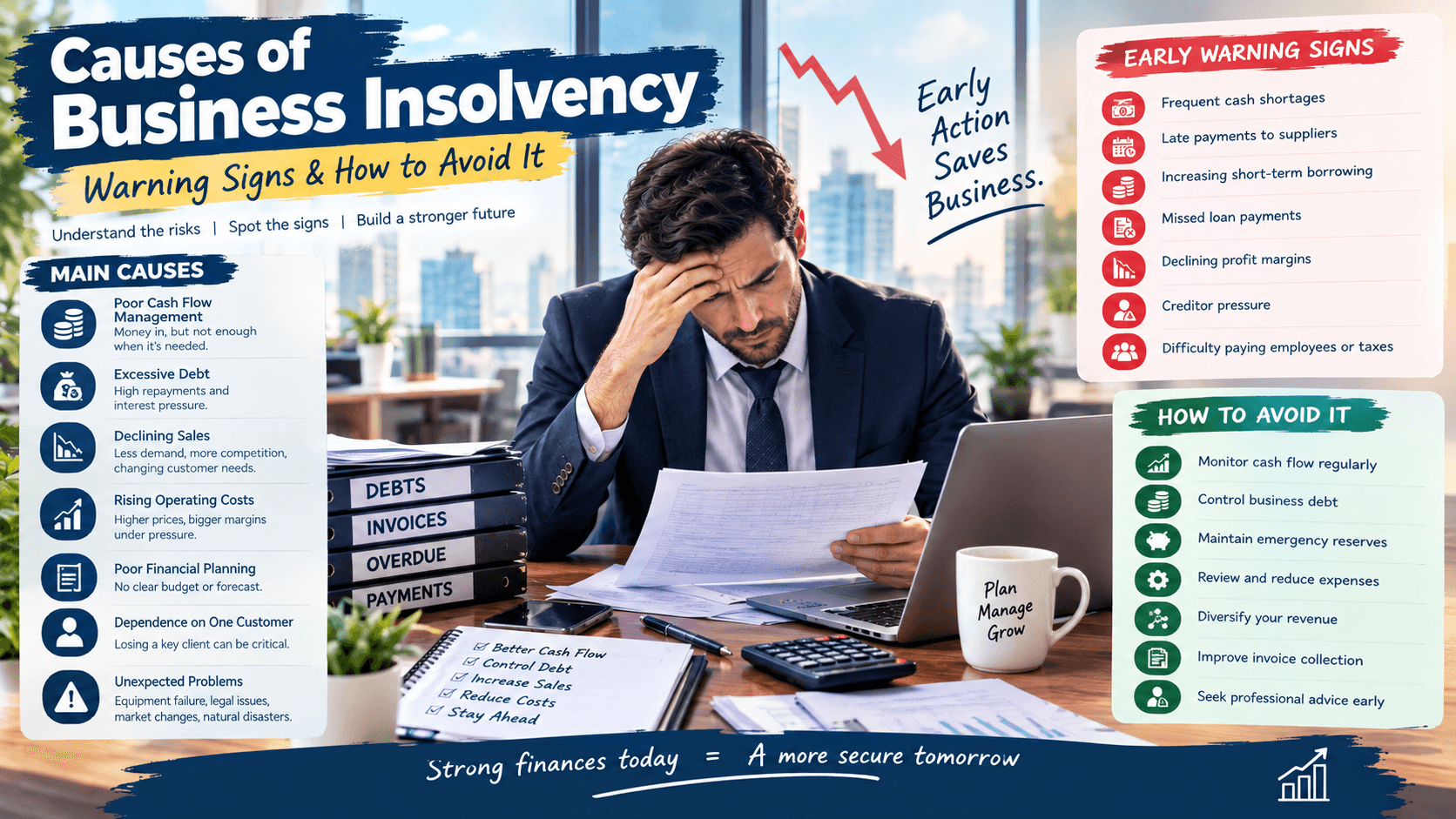
Recognize Warning Signs Early
Many insolvency situations develop gradually.
Warning signs may include:
Persistent cash shortages
Increasing overdue invoices
Difficulty meeting payroll
Declining profitability
Growing creditor pressure
Frequent reliance on short-term borrowing
Identifying these indicators early provides more opportunities for corrective action.
The Importance of Professional Guidance
Seeking advice from accountants, financial consultants, and restructuring professionals can help businesses identify risks and explore solutions before problems escalate.
Professional guidance may assist with:
Financial planning
Debt restructuring
Cash flow optimization
Risk management
Strategic decision-making
Early intervention is often a key factor in successful recovery efforts.
Conclusion
Economic uncertainty presents challenges for businesses across every industry, but insolvency is not inevitable. By prioritizing cash flow management, controlling costs, diversifying revenue sources, and maintaining financial discipline, organizations can strengthen their resilience and improve their ability to withstand difficult market conditions.
Businesses that plan ahead, monitor financial performance closely, and respond quickly to emerging risks are more likely to remain financially stable and achieve sustainable long-term success.