
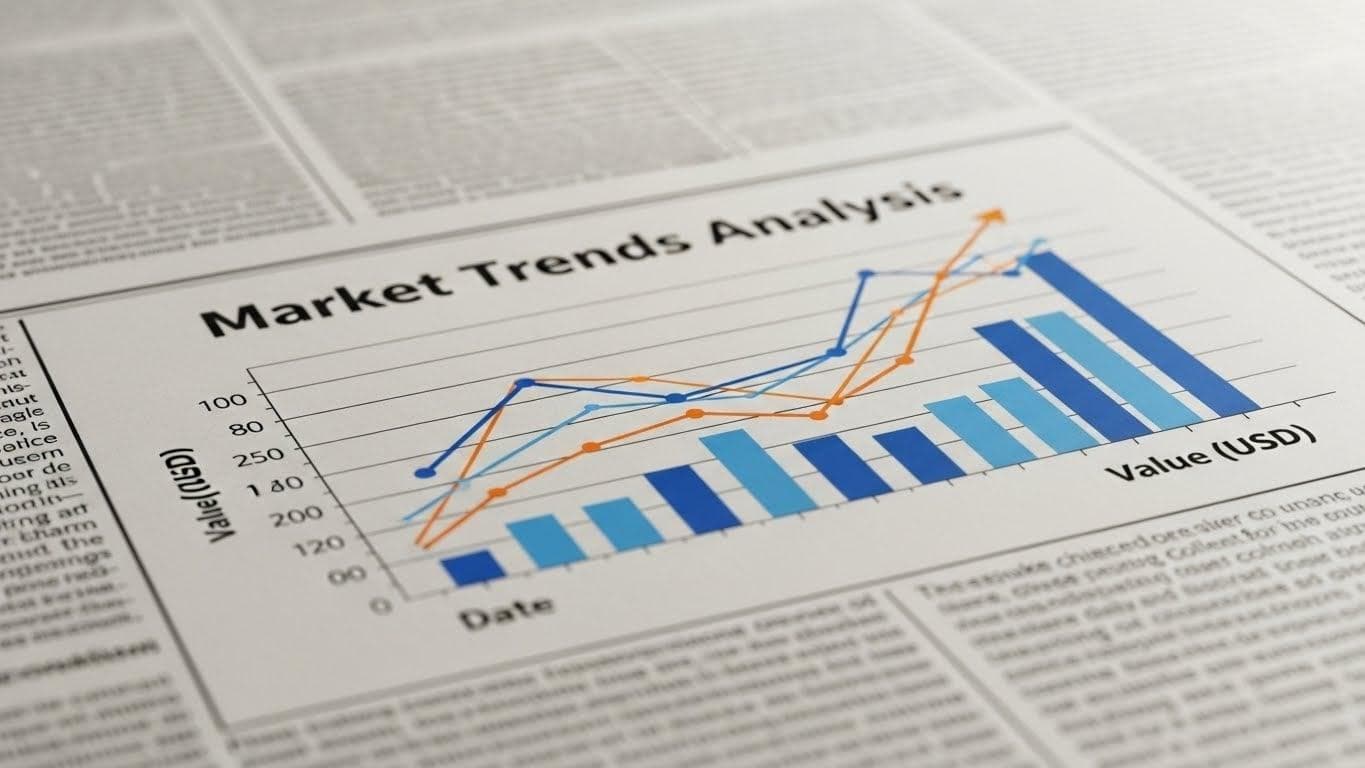

Economic outlook reports have become essential resources for businesses, investors, policymakers, and financial institutions seeking to understand the direction of the global economy. These reports provide valuable insights into growth forecasts, inflation expectations, employment trends, consumer spending patterns, and other critical economic indicators that influence decision-making across industries.
As economies continue to adapt to technological innovation, changing trade relationships, evolving labor markets, and shifting consumer behaviors, economic outlook reports play a crucial role in helping organizations prepare for future opportunities and challenges.
What Are Economic Outlook Reports?
Economic outlook reports are comprehensive analyses produced by governments, financial institutions, research organizations, consulting firms, and international agencies. These reports evaluate current economic conditions while providing forecasts for future performance.
Typical areas covered include:
Gross Domestic Product (GDP) growth
Inflation trends
Employment levels
Consumer confidence
Interest rates
Business investment
International trade
Industry performance
By analyzing these factors, economists provide forecasts that help stakeholders make informed strategic decisions.
Why Economic Outlook Reports Matter
Economic conditions affect virtually every aspect of business and investment activity.
Organizations rely on economic forecasts to:
Develop business strategies
Plan investments
Allocate resources
Manage financial risks
Identify growth opportunities
Accurate forecasting helps businesses remain competitive while adapting to changing market conditions.
For investors, economic outlook reports provide valuable context when evaluating potential investment opportunities and managing portfolios.
Global Economic Growth Trends
One of the primary focuses of economic outlook reports is projected economic growth.
Growth forecasts help indicate the overall health of economies and influence business confidence.
Factors affecting growth include:
Consumer spending
Government expenditures
Business investment
Export performance
Technological innovation
Strong economic growth generally supports job creation, business expansion, and increased consumer activity.
Conversely, slower growth may prompt organizations to adopt more cautious financial strategies.
Inflation Remains a Key Concern
Inflation continues to be one of the most closely monitored economic indicators.
Economic outlook reports often analyze:
Consumer price increases
Producer costs
Wage growth
Supply chain pressures
Energy prices
Moderate inflation can support economic expansion, while excessive inflation may reduce purchasing power and increase operational costs for businesses.
Understanding inflation expectations helps organizations plan pricing strategies and manage expenses more effectively.
Labor Market Developments
Employment conditions are another critical component of economic outlook analysis.
Reports frequently examine:
Unemployment rates
Workforce participation
Labor shortages
Wage growth
Skills demand
A strong labor market typically supports consumer spending and economic activity.
However, labor shortages in certain industries may create recruitment challenges and increase operational costs for employers.
Businesses increasingly rely on labor market forecasts when developing workforce planning strategies.
The Impact of Interest Rates
Interest rates influence borrowing costs, consumer spending, investment activity, and overall economic growth.
Economic outlook reports often evaluate:
Central bank policies
Credit market conditions
Mortgage rates
Business lending trends
Higher interest rates may slow borrowing and investment activity, while lower rates can stimulate economic growth by encouraging spending and capital investment.
Businesses closely monitor interest rate projections when making financing decisions.
Technology's Influence on Economic Growth
Technology continues to reshape economies worldwide.
Economic reports increasingly examine the impact of:
Artificial intelligence
Automation
Digital transformation
E-commerce
Cloud computing
Technological innovation can improve productivity, create new industries, and support long-term economic growth.
Organizations investing in digital capabilities are often better positioned to capitalize on emerging opportunities.
Consumer Spending and Market Confidence
Consumer spending remains a major driver of economic activity.
Economic outlook reports analyze:
Household income levels
Consumer confidence
Retail sales performance
Savings behavior
Spending trends
Strong consumer confidence typically contributes to increased spending and business growth.
Understanding changing consumer behavior helps companies adjust marketing, sales, and operational strategies.
International Trade and Global Markets
Global trade relationships continue to influence economic performance.
Economic reports often evaluate:
Export activity
Import trends
Trade agreements
Supply chain developments
Geopolitical factors
Businesses operating internationally rely on trade forecasts to assess market opportunities and potential risks.
Changes in trade policies can significantly impact industries ranging from manufacturing to technology.
Risks Highlighted in Economic Outlook Reports
Most economic outlook reports identify potential risks that could affect future growth.
Common concerns include:
Inflation volatility
Geopolitical tensions
Financial market instability
Supply chain disruptions
Energy price fluctuations
Regulatory changes
Recognizing these risks allows organizations to develop contingency plans and strengthen resilience.
How Businesses Use Economic Forecasts
Successful organizations incorporate economic outlook reports into their planning processes.
Applications include:
Strategic Planning
Forecasts help businesses identify growth opportunities and prepare for changing market conditions.
Budget Development
Economic expectations influence revenue projections and spending decisions.
Investment Decisions
Companies evaluate economic trends when considering expansion projects and capital investments.
Risk Management
Forecasting supports proactive identification and mitigation of potential business risks.
Organizations that regularly monitor economic conditions are often better equipped to adapt to uncertainty.
The Growing Importance of Data Analytics
Advances in data analytics have improved the accuracy and sophistication of economic forecasting.
Modern forecasting models utilize:
Real-time economic data
Artificial intelligence
Predictive analytics
Machine learning algorithms
These technologies help economists identify emerging trends and produce more detailed forecasts.
As data availability increases, economic outlook reports are expected to become even more valuable for decision-makers.
Looking Ahead
The global economy continues to evolve as businesses, governments, and consumers respond to technological change, demographic shifts, and emerging market opportunities.
Economic outlook reports will remain essential tools for understanding these developments and preparing for future challenges.
Organizations that leverage economic insights effectively are more likely to make informed decisions, manage risks successfully, and achieve sustainable growth.
Conclusion
Economic outlook reports provide valuable guidance for businesses, investors, and policymakers navigating an increasingly complex economic environment. By analyzing growth trends, inflation expectations, labor market conditions, and emerging risks, these reports support more informed decision-making and strategic planning.
As global markets continue to evolve, understanding economic forecasts will remain critical for organizations seeking long-term success and resilience in a rapidly changing world.