
For startups, getting media attention can be difficult when marketing budgets are limited. Press release distribution services offer one possible way to place company news in front of journalists, publications, search engines, and industry audiences.
However, premium PR wire services can become expensive quickly. Startups therefore need to compare distribution plans carefully instead of choosing a service simply because it advertises a large media network.
In 2026, the best option for a startup is not necessarily the most expensive package. The right plan depends on the company's goals, target audience, geographic market, type of announcement, and how much value it can realistically gain from media distribution.
This comparison looks at the key features startups should evaluate when choosing a premium PR distribution plan while keeping costs under control.
What Is a PR Wire Distribution Service?
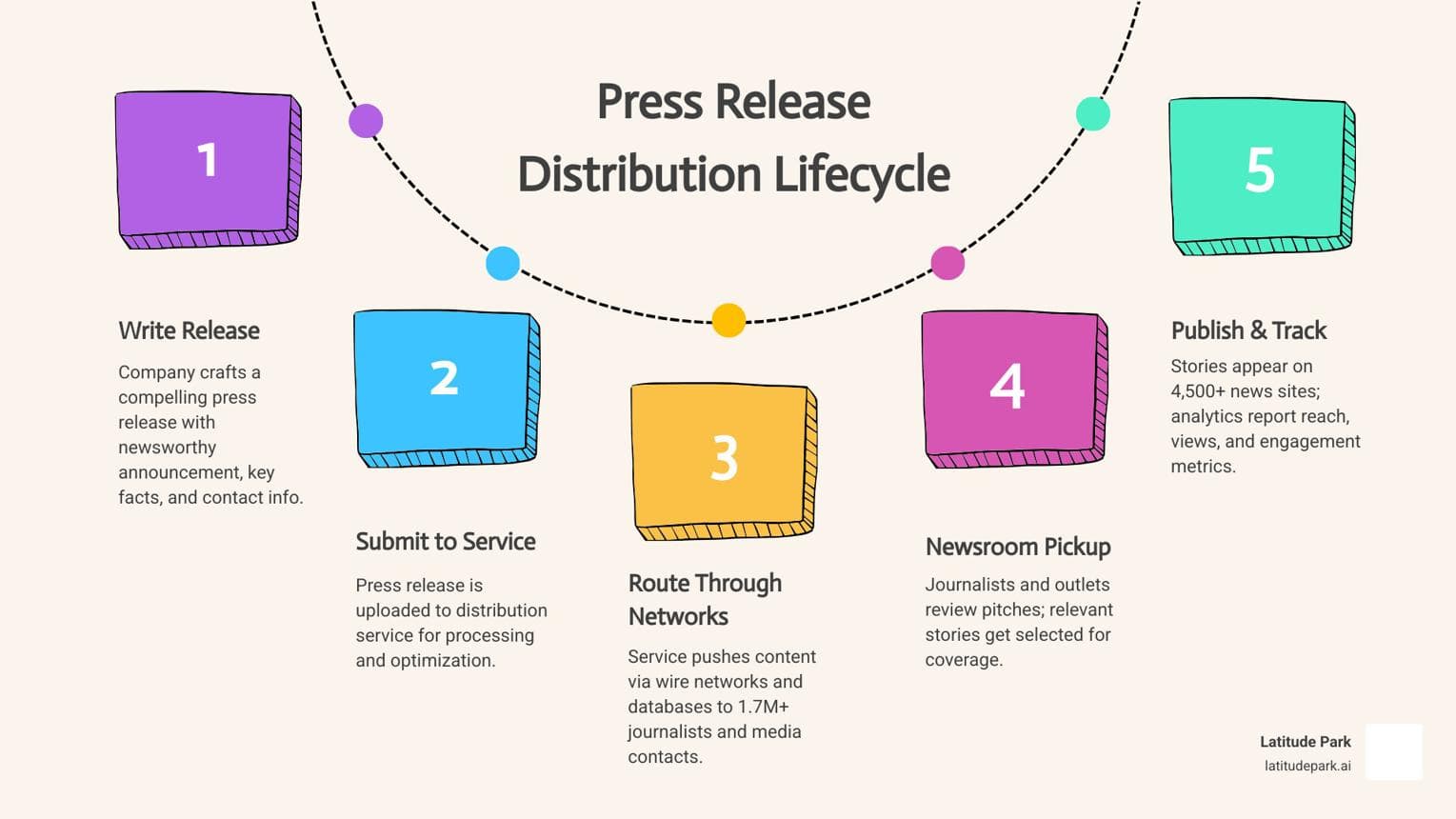
A PR wire distribution service distributes a company's press release through a network of media outlets, news platforms, journalists, industry websites, and other publishing channels.
Businesses commonly use these services to announce:
Product launches
Funding rounds
Partnerships
Executive appointments
Company milestones
New research
Awards
Events
Business expansions
The purpose is to increase the visibility of legitimate company news and make information easier for relevant media and audiences to discover.
However, distribution does not guarantee that journalists will write an independent article about the company.
Why Startups Consider Premium PR Plans
Startups often have limited brand recognition. A well-written announcement distributed through an appropriate network can help establish an initial online presence.
Premium plans may provide additional options such as broader geographic distribution, multimedia attachments, industry targeting, reporting tools, or enhanced visibility.
The value of these features depends on the startup's objectives.
For example, a local software company may not benefit from paying for worldwide distribution if its customers are concentrated in one country.
1. Basic Premium Plan: Best for Early-Stage Startups
A lower-cost premium plan can be suitable for startups publishing occasional announcements.
These plans typically focus on core distribution rather than extensive targeting or multimedia features.
Best for
Small startups
First-time PR campaigns
Local businesses
Early product announcements
Companies testing PR distribution
Advantages
The main advantage is cost control. Startups can distribute important announcements without committing a large portion of their marketing budget to a single campaign.
Limitations
Basic packages may provide fewer targeting options and less detailed reporting than higher-tier plans.
For a startup with a highly specific audience, broad distribution may also produce less useful exposure.
2. Regional Distribution: Best for Startups With a Defined Market
If a company primarily operates in one country or region, targeted distribution can be more efficient than worldwide coverage.
For example, a startup expanding into Southeast Asia may benefit more from relevant regional media than from paying for distribution across markets where it has no customers.
Benefits
Regional distribution can help startups:
Reach relevant audiences
Control campaign costs
Focus on local business media
Support market-entry announcements
Build recognition in a specific region
Before purchasing a plan, startups should check exactly which markets and media channels are included.
3. Industry-Targeted Distribution: Best for B2B Startups
B2B startups may benefit from distribution focused on their industry.
A cybersecurity company, for example, has different media priorities from a consumer fashion brand.
Industry targeting can help make a press release more relevant to the audiences that actually matter to the company.
Suitable industries may include:
Technology
Finance
Healthcare
Manufacturing
Retail
Energy
Travel
Professional services
The important question is not simply how many outlets receive the release, but whether those outlets reach potential customers, partners, investors, or relevant industry professionals.
4. Multimedia Plans: Useful for Product-Focused Announcements
Some premium PR packages allow companies to add images, videos, logos, infographics, or other multimedia assets.
These features can be useful when the story depends heavily on visual information.
For example, a startup launching a physical product may benefit from including high-quality product photography.
However, multimedia upgrades are not automatically worth paying for. Startups should consider whether the additional assets genuinely strengthen the announcement.
5. International Distribution: Best for Global Startups
International distribution can make sense for startups that already have customers, partners, investors, or operations across multiple countries.
A global campaign may be appropriate for:
International product launches
Cross-border partnerships
Global funding announcements
Major acquisitions
Expansion into new markets
For a startup operating only in one city or country, worldwide distribution may provide little practical value.
2026 PR Wire Comparison
Plan Type | Best For | Cost Efficiency | Main Advantage |
|---|---|---|---|
Basic Premium | Early-stage startups | High | Affordable distribution |
Regional | Local or regional companies | High | Relevant geographic reach |
Industry Targeted | B2B startups | High | More relevant audiences |
Multimedia | Product launches | Medium | Stronger visual presentation |
International | Global startups | Medium | Wider geographic exposure |
Actual pricing and included outlets vary by provider, so startups should compare current packages directly before purchasing.
What Startups Should Check Before Buying
A professional-looking PR package can contain many marketing terms, but startups should examine the actual deliverables.
Distribution Network
Ask where the release will actually appear.
A large number of potential outlets does not necessarily mean meaningful media exposure.
Geographic Reach
Check whether the package targets the countries or regions that matter to the company.
Industry Relevance
A startup should prioritize relevant audiences instead of maximizing the number of publications.
Reporting
Good reporting can show where the release was distributed and provide useful performance information.
Multimedia Options
Determine whether images, videos, logos, or other assets are included or require an additional fee.
Editing and Review
Some services provide editorial review or formatting assistance. This can be useful for startups without an experienced communications team.
Avoid Paying for Vanity Metrics
One of the biggest mistakes startups can make is judging a PR service only by large numbers.
A distribution provider may advertise an enormous potential audience, but that figure does not necessarily represent people who will read the release or become customers.
Startups should focus on meaningful outcomes such as:
Relevant media placements
Referral traffic
Brand visibility
Industry recognition
Journalist interest
Website visits
Qualified leads
PR distribution should support a broader communications strategy rather than being treated as a guaranteed source of sales.
How to Keep PR Costs Under Control
Startups do not need to distribute every company update through a premium service.
Instead, reserve paid distribution for announcements that genuinely contain news.
Good candidates include major product launches, significant partnerships, funding announcements, research findings, and important expansion plans.
Routine updates may be better communicated through the company's website, newsletter, social media channels, or direct outreach.
Write a Strong Press Release Before Paying for Distribution
A distribution service cannot compensate for weak news.
Before purchasing a package, startups should make sure their press release clearly explains:
What happened?
Why does it matter?
Who is affected?
What is new?
Why should the audience care?
The headline should be specific rather than promotional.
Instead of:
“Amazing New Startup Revolutionizes the Industry”
a stronger headline might be:
“Tech Startup Launches AI Tool to Help Small Businesses Automate Invoice Processing”
The second headline gives readers a clearer reason to pay attention.
PR Distribution vs. Direct Media Outreach
Paid distribution and direct journalist outreach serve different purposes.
A wire service can provide broad distribution and online visibility. Direct outreach allows a company to build relationships with individual journalists who specifically cover its industry.
For many startups, combining both approaches can be more effective than relying entirely on a distribution service.
A startup might distribute a major announcement while separately contacting a small group of journalists who are particularly relevant to the story.
Are Premium PR Wires Worth It for Startups?
They can be, but only when the announcement justifies the expense.
A startup should consider three questions:
Is this genuinely newsworthy?
Does the distribution network reach our target audience?
Can we measure a useful business or communications outcome?
If the answer to all three is yes, a premium plan may be worthwhile.
If not, the budget may produce better results when invested in content, direct media outreach, customer acquisition, or other marketing activities.
Final Verdict
The best premium PR wire distribution plan for a startup on a budget is not necessarily the package with the largest distribution network.
For most early-stage companies, a targeted regional or industry-focused plan can provide better cost control than paying for broad international exposure.
Startups should compare distribution networks, geographic coverage, industry relevance, reporting, multimedia options, and total pricing before making a decision.
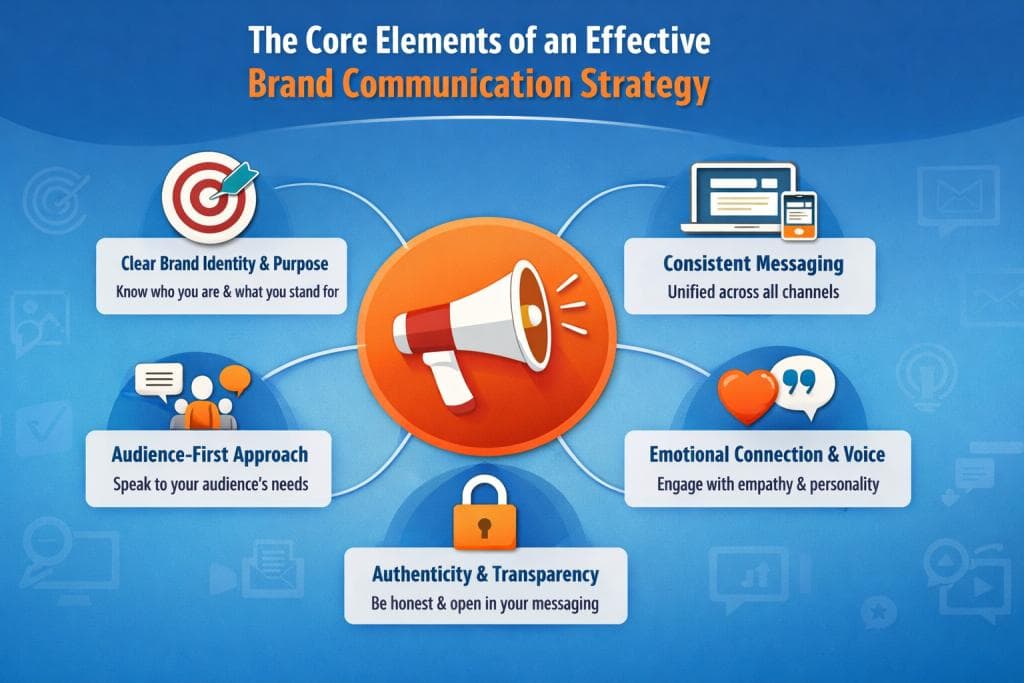
Most importantly, PR distribution should be viewed as one part of a wider communications strategy. A strong announcement, targeted journalist outreach, useful content, and consistent brand communication can often create more lasting value than simply paying for the largest possible distribution package.
FAQs
1. What is a PR wire distribution service?
It is a service that distributes press releases through media, news, industry, and online publishing networks.
2. Are premium PR wires worth the cost for startups?
They can be worthwhile when a startup has genuinely newsworthy information and chooses a distribution network that reaches its target audience.
3. What is the cheapest effective PR distribution option?
For many startups, a targeted regional or industry-focused plan can be more cost-effective than broad international distribution.
4. Does PR distribution guarantee media coverage?
No. Distribution makes a release available to media outlets and other audiences, but it does not guarantee independent editorial coverage.
5. Should startups choose global distribution?
Only if their announcement or business has meaningful international relevance.
6. Is regional PR distribution better for small businesses?
It can be. Regional distribution allows companies to focus their budget on audiences in markets where they actually operate.
7. What type of startup benefits most from industry targeting?
B2B startups and companies operating in specialized industries can benefit from reaching audiences and publications relevant to their field.
8. Should a startup include images in its press release?
Images can improve presentation, particularly for product launches and visually driven announcements. Whether they are worth an additional fee depends on the campaign.
9. How often should a startup issue press releases?
There is no universal number. Companies should issue releases when they have meaningful news rather than publishing announcements simply to maintain frequency.
10. Can PR distribution improve SEO?
A properly distributed release can increase online visibility and create opportunities for people to discover a company. However, startups should not treat press releases as a guaranteed SEO ranking strategy.
11. What should startups compare between PR providers?
Compare distribution reach, relevant outlets, geographic targeting, reporting, multimedia options, editorial support, pricing, and any additional fees.
12. Are large media-network numbers always better?
No. A smaller network containing relevant publications may be more valuable than a very large but poorly targeted network.
13. Can startups use PR distribution for product launches?
Yes. Product launches are one of the common uses of press release distribution, especially when the product has a clear news angle.
14. What makes a press release newsworthy?
Significant product launches, funding, partnerships, research, expansion, acquisitions, and meaningful company milestones can provide legitimate news angles.
15. Should startups use PR wires instead of contacting journalists?
Not necessarily. Direct journalist outreach and distribution services can complement each other and serve different purposes.
16. How can startups reduce PR costs?
They can reserve paid distribution for major announcements, choose targeted plans, compare providers, avoid unnecessary upgrades, and handle routine news through owned channels.
17. What metrics should startups monitor after distribution?
Useful metrics can include relevant placements, website referral traffic, engagement, journalist inquiries, brand mentions, and qualified leads.
18. Are PR wire services suitable for every startup?
No. A startup should evaluate whether the announcement is newsworthy and whether paid distribution supports its current business objectives.
19. What is the best PR plan for a local startup?
A regional plan can often be a practical starting point because it focuses resources on the company's actual market.
20. What is the biggest mistake startups make when buying PR distribution?
Choosing a package based mainly on the size of its advertised network rather than its relevance to the startup's target audience.
Disclaimer: Pricing, distribution networks, media partnerships, and package features can change. Startups should verify current terms directly with each provider before purchasing a PR distribution service.